How Multiplayer Competition Formats Reshape Verification Processes in Expanding Digital Entertainment Markets
Written by Tina Weber · Oct 11, 2026
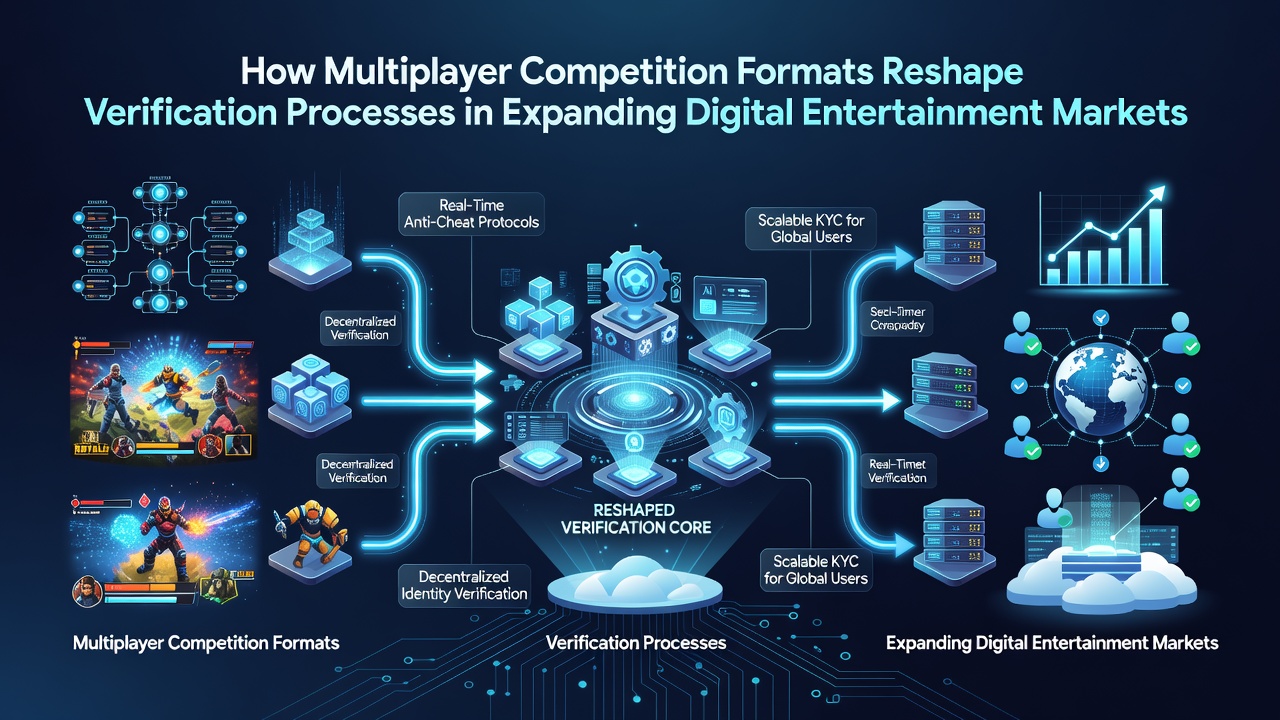
How Multiplayer Competition Formats Reshape Verification Processes in Expanding Digital Entertainment Markets
Multiplayer competition formats have expanded rapidly across digital entertainment markets, and observers note that these structures place new demands on verification systems. Tournaments, ranked ladders, and team-based events require platforms to confirm participant identities more frequently than single-player experiences demand. Data from industry reports shows that verification steps now occur at registration, before each match, and during prize distribution phases, while platforms integrate biometric checks alongside traditional document uploads to maintain competitive integrity.
Core Shifts in Verification Workflows
Competition formats drive platforms toward layered verification because players compete for rankings, leaderboards, and monetary rewards. Researchers at academic institutions have documented how these systems reduce instances of account sharing and automated play, since each participant must pass identity confirmation before entering high-stakes matches. In October 2026 several major platforms rolled out mandatory facial recognition paired with government-issued ID scans for tournament entrants, a change that aligns with broader regulatory expectations in multiple jurisdictions.
Those who study market trends point out that verification now occurs dynamically rather than as a one-time gate. When a player qualifies for a new tier or joins a cross-regional team, additional checks trigger automatically. This approach connects directly to competition rules that prohibit multiple accounts per individual, and platforms enforce the policy through periodic re-verification cycles.
Regional Regulatory Influences
North American regulators have examined how multiplayer formats intersect with consumer protection standards. The Entertainment Software Association published findings indicating that verification protocols in competitive environments grew 42 percent more rigorous between 2023 and 2025 across major platforms. Meanwhile, Australia's eSafety Commissioner has issued guidance encouraging age verification tools that integrate with live competition systems, requiring platforms to confirm eligibility before users enter age-restricted events.
European authorities, including bodies focused on digital services, have pushed for standardized data handling during verification. These rules affect how platforms store and share identity information across borders when players from different countries join the same tournament bracket. Observers note that companies now employ encrypted verification tokens that travel with player profiles, reducing the need to re-submit documents each time a new competition begins.
Technology Adaptations in Practice
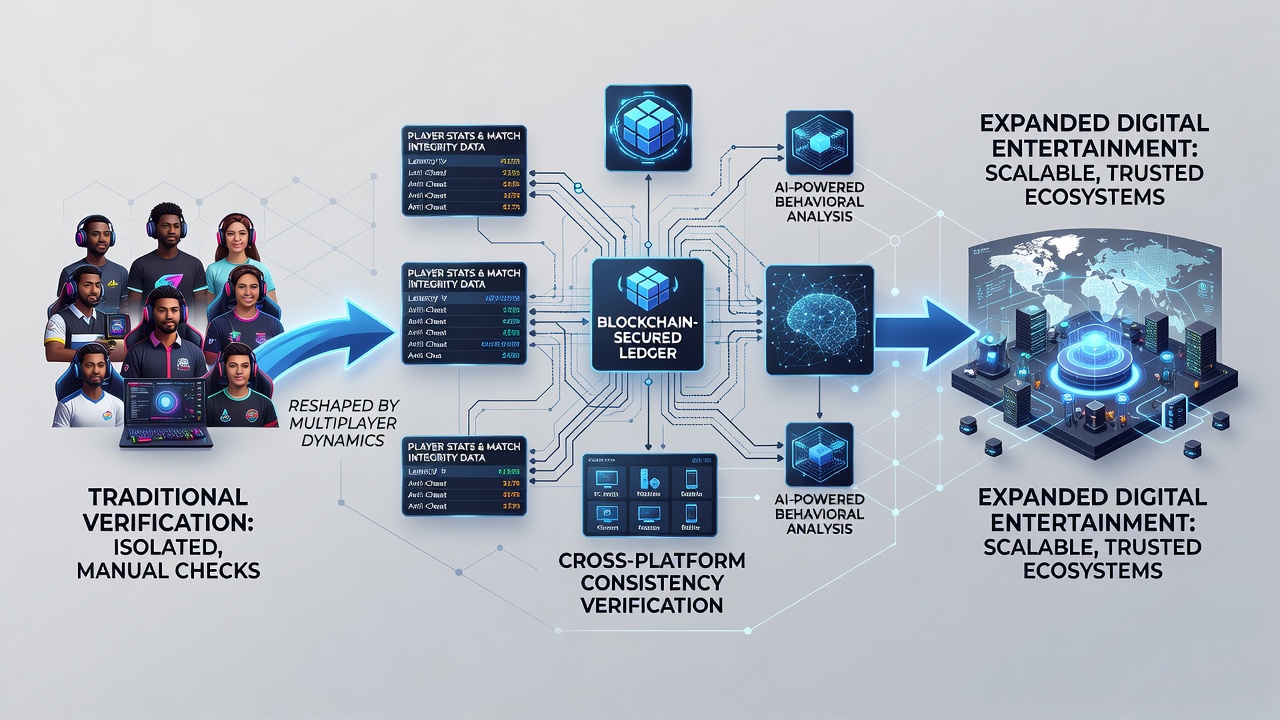
Platforms have adopted blockchain-based identity solutions to meet the volume of verifications generated by frequent competitions. A study from a Singapore-based research institute revealed that decentralized verification reduced processing times by 35 percent while preserving audit trails required by regulators. These systems allow players to carry verified credentials across multiple games without repeating full identity submissions each time they enter a new event.
Anti-cheat teams rely on verified player data to trace suspicious patterns back to real accounts. When competition formats include live spectator modes and real-time betting integrations, platforms must confirm that every participant and viewer meets local eligibility rules. This requirement has led developers to embed verification prompts directly into match lobbies, where players receive prompts to complete checks before the countdown begins.
Impact on Platform Operations
Companies managing large-scale digital entertainment ecosystems report that verification workloads have shifted from back-office functions to core infrastructure components. Support teams now monitor verification queues in real time during major tournaments, and automated escalation paths route complex cases to human reviewers within minutes. Figures from trade associations show that successful verification rates improved after platforms introduced progressive verification, where basic checks unlock casual play and advanced checks unlock ranked or prize events.
Payment processors have also adjusted their protocols. Because competition winnings trigger tax reporting and anti-money laundering reviews in many regions, platforms coordinate verification data with financial partners to streamline compliance. This coordination reduces delays between match completion and prize release, a factor that competition organizers track closely when scheduling events.
Future Directions in Verification Standards
Industry working groups continue to explore unified verification frameworks that multiple platforms could adopt. These efforts focus on creating portable credentials that satisfy requirements across different competition formats and geographic markets. Data indicates that players who maintain verified profiles experience fewer interruptions when moving between regional servers or joining international tournaments.
Conclusion
Multiplayer competition formats continue to influence verification processes as digital entertainment markets grow. Platforms respond by embedding checks into gameplay flows, adopting new technologies for speed and security, and aligning with regulatory expectations across regions. The result is a verification landscape that evolves alongside competition structures rather than remaining separate from them.